

Does Cooking Oil Expire? 8 Best Ways to Utilize Expired Cooking Oils
Summary: Does Cooking Oil Expire? Yes, cooking oil expires. Most oils carry a "Best Before" date, typically 1–2 years from manufacture; after which flavour, aroma, and nutritional quality decline. However, "expired" does not always mean unsafe. Oil that smells normal, has no bitter taste, and has been stored properly may still be usable for non-cooking purposes.
Cooking- a term that generally follows a love-hate relationship in every household. With the versatility that it carries, its importance also differs from one to another. However, cooking covers different styles and techniques known to many. And, it's here where preferences and ingredients play a role. Healthy cooking oils in India add flavor and texture to everyday meals, while keeping them healthy.
The demand for differently used cooking oils is changing. And, with time its uses are proving to be beneficial for categories outside cooking. With the growing concern for environmental degradation, the usage of these healthy cooking oils have also changed. Oils earlier utilized “just for frying” can now be used in multiple ways possible. As unthinkable as this may sound, reusing expired cooking oil is really a thing. Want to understand more about it? Read on for more insights.
Expired Cooking Oil- Is It Really Usable?
When talking about expired cooking oil, many people assume it cannot be used anymore. However, the reality is slightly different. Most cooking oils come with a “Best Before” date, which indicates the period during which the oil retains its optimal freshness, aroma, and quality — not necessarily a strict safety deadline.
Over time, cooking oil may lose its flavour and nutritional quality, especially if exposed to heat, light, or air. In some cases, it may even turn rancid, which is identified by a sour smell or bitter taste. Such oil should not be used for cooking.
That said, oil that has crossed its “best before” date but still appears normal may have limited alternative uses outside cooking. Proper storage in a cool, dry place and keeping the bottle tightly sealed can significantly extend its usable life.
Understanding the difference between “best before” and actual spoilage helps consumers make informed decisions instead of discarding oil prematurely.
Is It Safe to Use Expired Cooking Oil?
Using expired cooking oil for cooking is generally not recommended, especially if there are visible signs of spoilage.
However, if the oil:
-
Has been stored properly
-
Shows no foul smell
-
Has normal texture
-
Has not been contaminated
It can still be reused for various non-edible purposes.
This approach not only reduces waste but also supports environmental responsibility.
What to Do With Expired Cooking Oil: 8 Smart Ways
If the oil is expired but not rancid: Use it for one of the 8 non-edible purposes listed.
1. Hair Conditioner-
There are many expired cooking oils that are rich in vitamins. These cooking oils even though they are expired are known to be the best hair therapists in disguise. With the ability to add moisture to your hair, cooking oils eg- coconut oil also helps boost hair growth.
How to use:
-
Slightly warm the oil.
-
Apply to scalp and hair.
-
Leave for 30 minutes.
-
Wash thoroughly.
Avoid using oil that smells unpleasant.

2. Animal Feed-
This may sound weird, but your cooking oil can be used as an ingredient for various types of animal and pet feed. Cooking oils, when refined, carry calories and nutrients that’s used for most poultry and livestock feed. In addition, cooking your pet’s food with the same cooking oil can increase their fur coat in the long run.
3. Paint & Grease Remover-
Painting is pictured as an activity that keeps your mind and soul calm at all times. We admit this may get messy, but removing this is now even easier. By simply applying leftover cooking oil on your body and leaving it for 5 minutes ensures the stains get rubbed off with a good scrub.

4. Rust Removal-
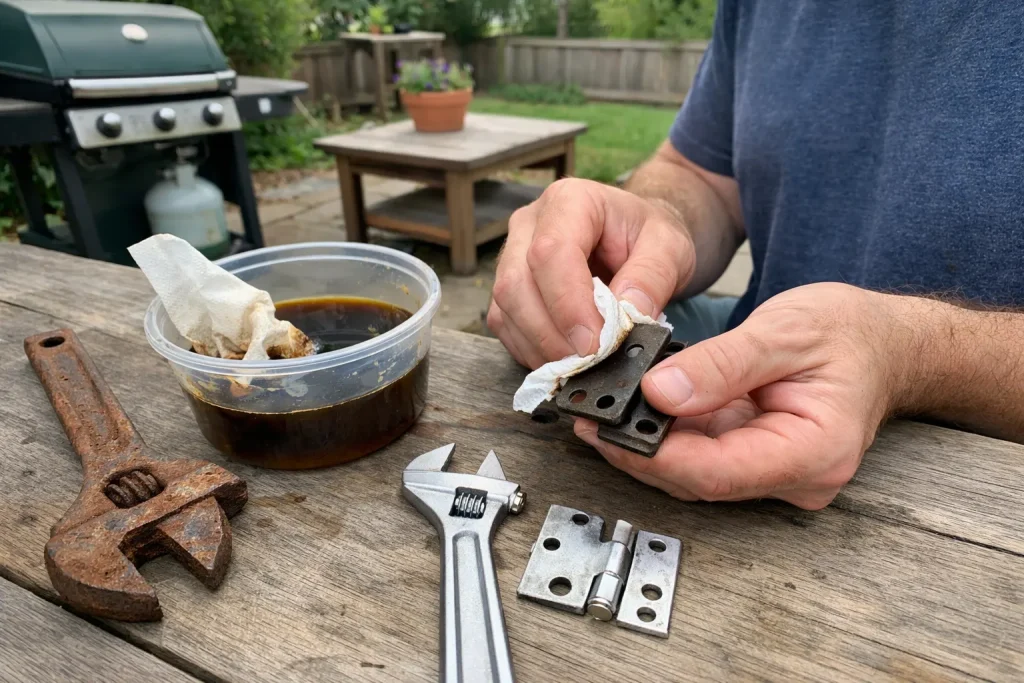
Just as the best edible oils in India protects from rust, it can also remove it too. Expired cooking oils with high penetrating power, for eg- linseed oil is best for cleaning steel. On the other hand, refined cooking oils, for eg- soybean cooking oil helps cast iron. Even though things can get messy, it's still better than rusting.
5. Goodbye Squeaky Joints-
Expired cooking oils serve to be a good lubricant for squawking furniture pieces and hinges. These prove to be the best alternative in case of an emergency. In this case, coconut oil, olive oil, and vegetable oils are effective.

6. Keeps Dust at Bay-
Dust can be a disaster for many. As irritating and congested it may be, it gets difficult for those suffering with dust allergies. Pouring cooking oil over dust can help remove it in an instant. Oil has a stronger penetration power that goes deeper into the soil to remove dust all-around.
7. Preservation of Leather-
Other than cooking, edible oils in India also serve as a good preservative, but for leather. Having qualities of keeping them in one piece without any wear and tear gives your clothing the longer shelf life it deserves.

8. Fuel-
Cooking healthy food keeps you and your body going. However, cooking oil after being possessed or refined can also be used as fuel. Converting it into biodiesel fuel offers an alternative that ensures you always take the front seat.
What Happens If You Use Expired Vegetable Oil?
Using expired vegetable oil in cooking can negatively affect both food quality and health.
If the oil has only recently crossed its best-before date with no spoilage signs, it may just produce slightly off flavors. However, if the oil is rancid:
- Food will taste bitter and smell unpleasant
- Digestive discomfort including nausea or stomach upset can occur
- Nutritional value is reduced — antioxidants and healthy fats degrade
- Potential long-term harm — consuming rancid oil regularly has been linked to oxidative stress in the body [citation needed — link to FSSAI or peer-reviewed source on rancid oil health effects]
Never use oil that smells sour, tastes bitter, or looks unusually thick for cooking.
Expired Cooking Oil Side Effects
Consuming expired or rancid cooking oil can cause the following side effects:
- Nausea and stomach upset — most common short-term reaction
- Digestive discomfort — diarrhea or bloating in sensitive individuals
- Off-flavor in food — bitter, soapy, or metallic taste
- Reduced nutritional benefit — vitamins and omega fatty acids degrade in rancid oil
- Long-term oxidative stress — regular intake of rancid fats may increase free radical activity in the body [citation — link to NCBI or WHO food safety guidelines]
If you accidentally cook with slightly expired oil (no signs of rancidity), it is unlikely to cause serious harm. But oil with a foul smell should never be used.
Expired Oil vs. Rancid Oil – Key Differences
| Expired Oil | Rancid Oil | |
|---|---|---|
| Definition | Past best-before date | Chemically degraded through oxidation |
| Smell | Mild or unchanged | Sour, metallic, or paint-like |
| Taste | Slightly flat | Bitter, unpleasant |
| Appearance | Usually normal | May appear cloudy or sticky |
| Safe to cook with? | Assess carefully | No |
| Safe for non-edible uses? | Often yes | With caution |
If your oil smells unpleasant, tastes bitter, or looks unusually thick, it should not be used for cooking.
Over time, oils undergo oxidation. When oxidation becomes severe, oil turns rancid and should be discarded safely.
When You Should NOT Reuse Expired Cooking Oil
While expired cooking oil can sometimes be reused for non-edible purposes, it is important to assess its condition carefully. If the oil shows clear signs of spoilage, disposal is the safest and most responsible option.
Avoid reuse if:
-
It smells sour or metallic
-
It tastes bitter
-
It foams excessively when heated
-
It looks cloudy or sticky
-
It has visible contamination
Using rancid oil may cause digestive discomfort and negatively impact food quality.
How to Dispose of Expired Cooking Oil Safely
Expired cooking oil should always be disposed of carefully to prevent plumbing damage and environmental harm. Pouring oil directly into drains can lead to blockages and water contamination.
Follow these simple steps:
-
Let the oil cool completely.
-
Pour it into a sealed, non-breakable container.
-
Dispose of the container with solid household waste.
-
Never pour oil into sinks, toilets, or drains.
-
Check if local recycling facilities accept used cooking oil.
Responsible disposal protects plumbing systems, reduces landfill waste, and helps prevent environmental pollution.
How to Store Cooking Oil to Extend Shelf Life
Proper storage plays a crucial role in maintaining the freshness and quality of cooking oil. By following simple storage practices, you can slow down oxidation and prevent early spoilage.
To prevent early spoilage:
-
Store in airtight containers.
-
Keep away from direct sunlight.
-
Avoid moisture contamination.
-
Do not mix fresh oil with used oil.
Proper storage slows down oxidation and helps maintain oil quality for a longer period.
Why Quality Cooking Oil Matters
High-quality, properly refined edible oils are less prone to early spoilage. Choosing trusted brands ensures better refinement processes, hygienic packaging, and quality control.
Doctors’ Choice offers a range of unadulterated cooking oils enriched with essential nutrients. Designed to support everyday cooking needs, these oils maintain quality and freshness when stored properly.
Before disposing of expired cooking oil, always assess its condition carefully. Sometimes, what seems unusable may still serve a useful purpose outside the kitchen.
FAQs
Does cooking oil expire?
Yes. Cooking oil has a best-before date after which it may lose freshness and quality. It becomes unsafe when it turns rancid — identified by a sour smell and bitter taste.
Does mustard oil expire?
Yes, mustard oil typically lasts 6–12 months. It is expired if it smells unusually harsh (beyond normal pungency) or tastes bitter.
Does vegetable oil go bad?
Yes. Opened vegetable oil lasts approximately 6–12 months. It goes bad when oxidized, producing a rancid smell and off taste.
What happens if you use expired vegetable oil?
If mildly expired with no spoilage signs, it may only affect flavor. If rancid, it can cause nausea, stomach upset, and bitter-tasting food.
Can I use expired mustard oil for hair?
Yes, if it has no foul odor. Expired (not rancid) mustard oil can still condition the scalp and support hair health when used topically.
What are the side effects of expired cooking oil?
Consuming rancid oil can cause nausea, digestive discomfort, bitter aftertaste in food, and reduced nutritional intake. Regular use of rancid oil may contribute to oxidative stress.
What to do with expired cooking oil?
Use it for non-edible purposes (hair care, lubrication, rust removal, leather conditioning) if not rancid. Dispose of rancid oil in a sealed container with solid household waste — never down the drain.
Can expired cooking oil be recycled?
Yes. Many facilities accept used and expired cooking oil for conversion into biodiesel. Check with local recycling centres or biofuel programs in your city.