
How much mustard oil is consumed in India? Market Size & Trend in 2026
Mustard oil, or sarson ka tel, has been a staple ingredient in Indian households for hundreds of years. The oil is extracted through cold-pressing (kachi ghani) mustard seeds. Kachi Ghani oil retains its natural pungency, aroma, and nutrients. The rich golden hue and the pungent aroma of the oil add a rich flavor to any dish. Traditionally, the oil is heated until it reaches its smoking point and then tempered to cook the meal, so the aroma of the oil doesn't overpower the food. From frying and sautéing to pickling and festive cooking, mustard seed oil has a special place in Indian households, particularly in the north, east, and eastern states like Bengal, Bihar, and Odisha. Beyond cooking, people use mustard oil for hair, massage, skincare, and even traditional remedies, making it deeply intertwined in our everyday lives. Its rich flavour, combined with health benefits such as improved digestion, heart health, and natural immunity-boosting properties, ensures it continues to hold its ground even as newer oils flood the market. So, it is not a stretch to say that a large number of the population consume mustard oil in India. This article explores the current market size and trends in 2026:Mustard Oil Market & Consumption in India, 2026
India is one of the largest consumers of mustard seed oil in the world. By 2024, domestic consumption of mustard oil was estimated at around 3.8 million tonnes, which is nearly 15% of the country’s total edible oil demand. The country is largely self-reliant in its production, with about 3.5 million tonnes produced locally; the supply almost matches demand. This is actually a rare case in India’s edible oil sector, which usually depends heavily on imports. This self-sufficiency is thanks to large-scale mustard seed cultivation. In the 2024–25 season, India recorded over 126 lakh tonnes of mustard seed production, supported by government initiatives, better seeds, and increased acreage. All of this ensures that mustard oil remains both available and affordable for Indian families.Why is the Demand for Mustard Oil Growing in 2026?
Mustard oil has always been a part of our daily lives. But over the years, the demand for kachi ghani mustard oil has increased, and here is why:- The health-conscious consumers have understood the long-term benefits of consuming sarson ka tel. So, they are shifting from other oils to traditional cold-pressed mustard oil. Kachi ghani mustard oil is rich with nutrients like Omega-3 Polyunsaturated Fatty Acid (Omega-3 PUFA), Alpha Linolenic Acid, and Tocopherols that control cholesterol levels in blood, promote heart health, and improve digestion.
- With the constant effort of the Indian Council of Agricultural Research (ICAR), the production of mustard crops has grown considerably over the years.
- Even the export demand is growing, as global consumers discover mustard oil’s unique flavor and benefits. The global mustard oil market is at US$31.552 billion in 2026, with a projection to grow even further by 2030.
- In many regions, food simply doesn’t taste authentic without the sharp, earthy flavour of mustard oil. For generations, it has been the oil of choice for making pickles, festive dishes, and daily meals. The pungent aroma signals “home-cooked authenticity” that no other oil can match.
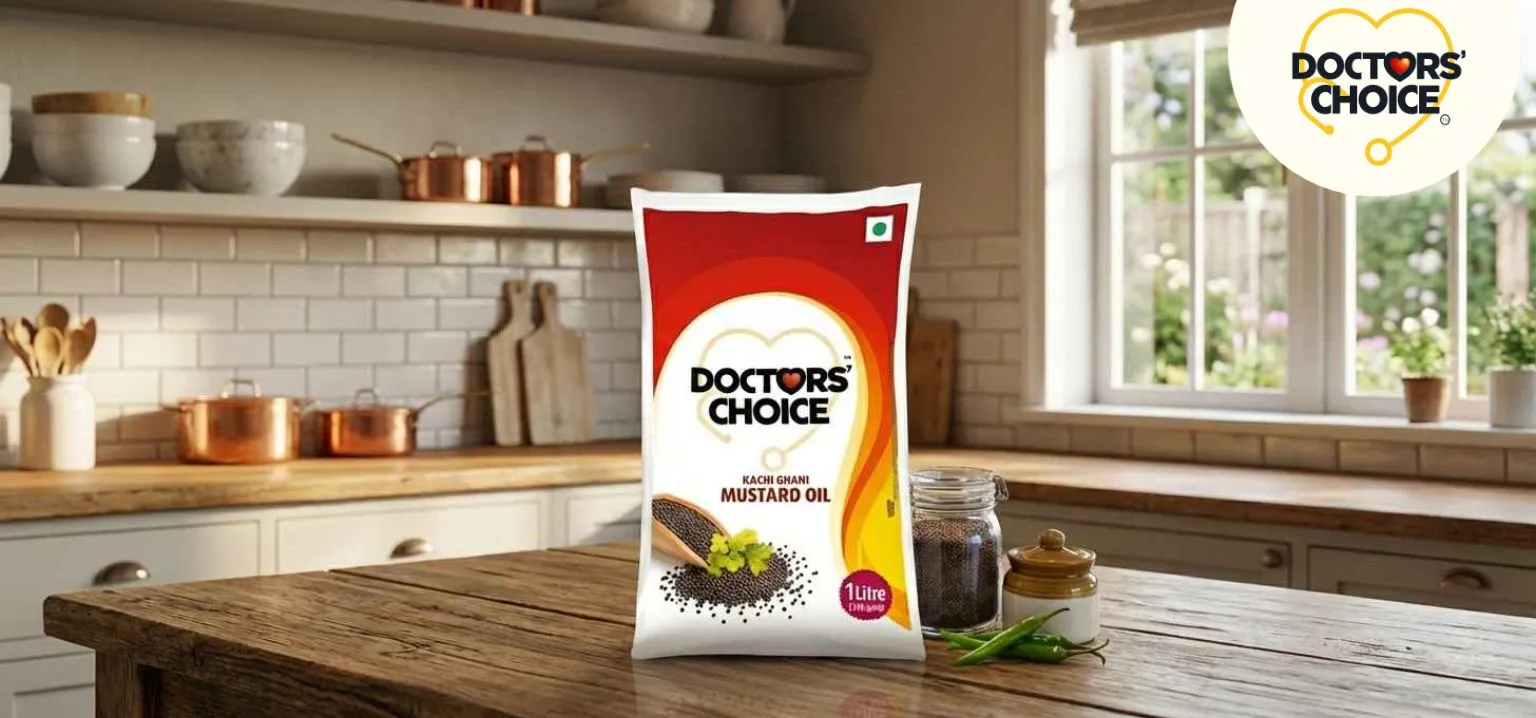
- Packaged, branded oils are preferred for their purity, quality, and trust factor, replacing loose, unbranded oil. Brands like Doctors’ Choice are modernizing production with hygienic cold-pressing methods while preserving the authenticity and nutritional value.
Mustard Oil Market Forecasts
With consumers becoming more aware of their health and well-being, the consumption of mustard oil is expected to grow more in the future. And the trend is not limited to India; even consumers across the globe are switching to cold-pressed mustard oil, with the market estimated to grow to US$37.796 billion in 2030.Conclusion
Indian cooking is well-known for its unique aroma and flavour. Mustard oil plays a big role in many classic Indian dishes. Not just that, the oil is also full of good nutrients that are healthy for our bodies. And that is why, the consumption and demand of sason ka tel is growing every year. However, as a consumer, you also need to be conscious about which brand you are choosing, as this can impact the nutritional value of the oil. As a leading manufacturer, Doctors’ Choice is providing you with kachi ghani sarson ka tel that keeps the flavours intact without influencing the nutritional value of the oil.FAQs
Q.1. What is the current mustard oil market size in India?
In 2026, the mustard oil market in India will have an annual consumption of around 3.8 million tonnes, which is nearly 15% of the country’s edible oil demand.Q.2. What is the demand for mustard oil growing over the years?
There are several factors that are influencing the demand for mustard oil, including:- The increasing preference for healthier oil alternatives,
- Government support for oilseed cultivation,
- The unique flavor, and
- Multipurpose use of mustard oil, including cooking, skincare, etc.
Q.3. Is the mustard oil business profitable in India?
Yes, the mustard oil business is profitable in India. The country’s high consumption levels, cultural preference for sarson ka tel, and increasing demand for branded, packaged Kachi Ghani oils create strong opportunities.Q.4. Which state is the largest producer of mustard oil in India?
Rajasthan is the largest producer of mustard seeds, which directly makes it the leading mustard oil-producing state in India. It accounts for more than 40% of total mustard production, followed by states like Uttar Pradesh, Madhya Pradesh, Haryana, and West Bengal.Q.5. How to identify pure kachi ghani oil?
Pure Kachi Ghani mustard oil is cold-pressed, retaining its natural pungent aroma, golden color, and sharp taste. It should feel light yet strong in flavor, with no greasy residue. When purchasing mustard oil, always check for- FSSAI certification,
- Brand reputation, and
- Packaging quality.